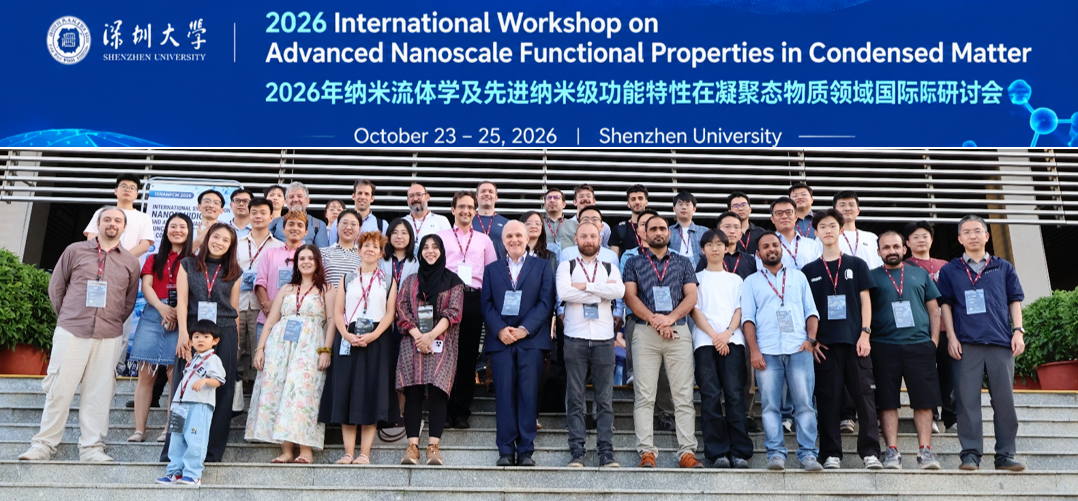
From October 23 to 25, Shenzhen University hosted the 2026 International Symposium on Nanofluidics and Advanced Nanoscale Functional Properties in Condensed Matter, organized by the University and undertaken by the College of Physics and Optoelectronic Engineering. Experts, scholars, and early-career researchers from universities and research institutions in China, Spain, Italy, Poland, Pakistan, and other countries gathered at Shenzhen University to discuss emerging topics in nanofluidics and the advanced nanoscale functional properties of condensed matter.
The opening ceremony was held on the morning of October 24. Associate Professor Ma Ming of Tsinghua University, Shenzhen University Distinguished Professor Alessandro Siria, and Associate Professor Wang Jipu, Vice Dean of the College of Physics and Optoelectronic Engineering at Shenzhen University, delivered opening remarks.
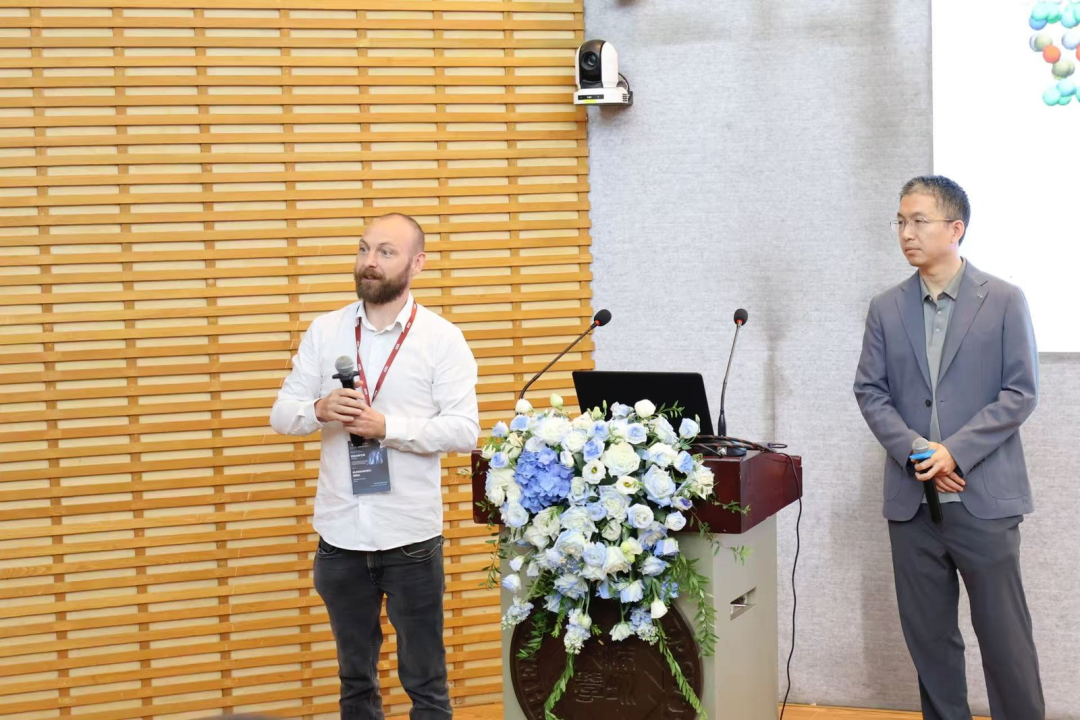
Shenzhen University Distinguished Professor Alessandro Siria (left) and
Associate Professor Ma Ming of Tsinghua University (right)
The symposium focused on emerging research in nanoscale fluid transport, interfacial friction, and energy transfer. It featured four thematic sessions: “Nanotribology, Interfacial Friction, and Thermal Transport”; “Nanomaterials for Energy, Sensing, and Ionic Transport”; “Nanofluidics and Solid–Liquid Interfaces”; and “Nanoconfined Transport and Molecular Separation.” The program included 22 academic presentations.
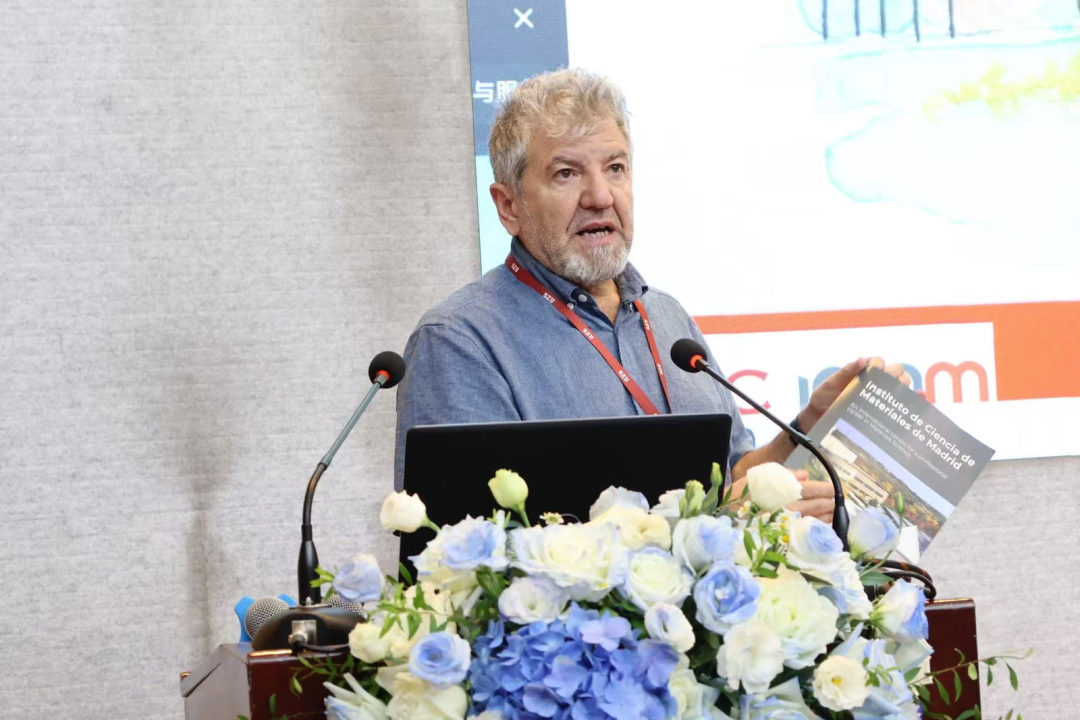
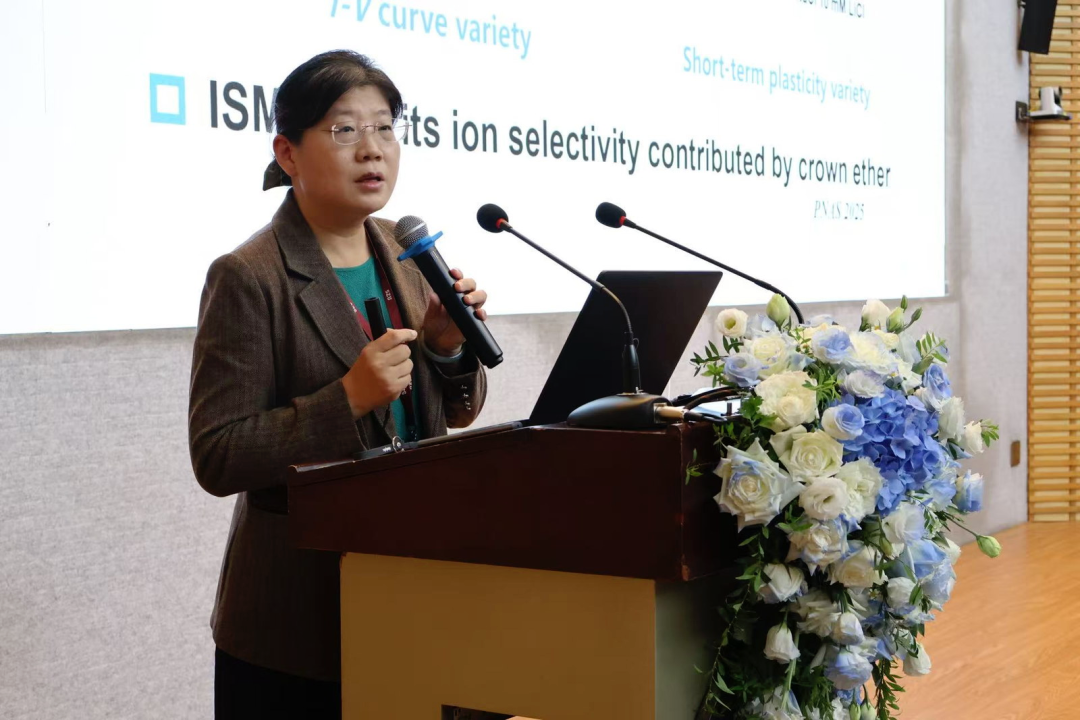
During the symposium, participating scholars presented their teams’ latest research on topics including thermal management in two-dimensional materials, control of nanofriction and wear, ion–electron coupling, molecular and ionic sieving through two-dimensional membranes, and mass transport under nanoconfinement. Presenters represented universities and research institutions in China and abroad, including Shenzhen University, Tsinghua University, Peking University, the University of Science and Technology of China, Renmin University of China, Nanjing University of Aeronautics and Astronautics, Northwestern Polytechnical University, Soochow University, Southern University of Science and Technology, the University of Macau, the Institute of Chemistry of the Chinese Academy of Sciences, the Spanish Materials Science Institute (CSIC-ICMM), Italy’s CNR-SPIN Institute and International School for Advanced Studies (SISSA), and Jagiellonian University in Poland. A poster session also gave early-career researchers and students an opportunity to exchange ideas and discuss their work in an open and engaging atmosphere. Awards were presented at the closing ceremony.
The symposium aimed to strengthen scientific cooperation between Europe and China, foster new international research partnerships, advance academic exchange in nanoscience, and further reinforce Shenzhen’s position as a global hub for innovation and collaboration. It provided scholars in nanoscience from China and abroad with a high-level platform for discussion, while offering international peers a closer look at Shenzhen University’s research and academic environment.
Building on the symposium, the College of Physics and Optoelectronic Engineering will further deepen practical collaboration with leading universities and research institutions in China and abroad, continue to develop regular platforms for international academic exchange, and promote the internationalization of discipline development, scientific research, and talent cultivation.

 Add : No. 3688, Nanhai Avenue, Nanshan District, Shenzhen, Guangdong Province
 Email : cpoe@szu.edu.cn
 Phone: 0755-26538735
 Fax : 0755-26538735

